Significado
inverso, opuesto, contrario, revertido
El término "reverse" se utiliza para describir algo que es opuesto o que va en dirección contraria a lo habitual. Puede referirse a situaciones en las que se invierte el orden o la posición de elementos, como en un cambio de roles o en la marcha atrás de un vehículo. También se usa para indicar un cambio de dirección en un proceso o acción, sugiriendo una vuelta al estado anterior.
💡 While "reverse" is often used in technical contexts, it can also convey a sense of contradiction or opposition in more abstract discussions; care should be taken to ensure clarity regarding the context in which it is applied.
Frases de Ejemplo
Palabra en Contexto
When
Elif
unlocked
the
small
bookshop
for
the
morning
,
she
paused
at
the
doorway
because
the
reverse
layout
made
familiar
shelves
feel
unexpectedly
foreign
.
She
had
agreed
to
swap
the
fiction
and
non
-
fiction
sections
to
test
whether
customers
would
discover
titles
more
readily
,
and
the
new
arrangement
created
a
subtle
shift
in
how
people
navigated
the
space
.
At
first
the
change
confused
regulars
,
yet
within
an
hour
several
patrons
commented
that
the
altered
flow
encouraged
slower
browsing
and
serendipitous
finds
.
Elif
watched
the
measured
movement
of
readers
and
realized
that
a
deliberate
,
even
small
,
reversal
of
habit
could
refresh
the
atmosphere
and
prompt
different
conversations
.
By
closing
time
she
had
noted
enough
modest
benefits
to
decide
the
experiment
warranted
a
longer
trial
,
though
she
planned
to
solicit
direct
feedback
before
making
the
switch
permanent
.
Usos Comunes
reverse effect
reverse engineering
reverse psychology
Sinónimos
Antónimos
Palabras Relacionadas
No olvides nunca "reverse"
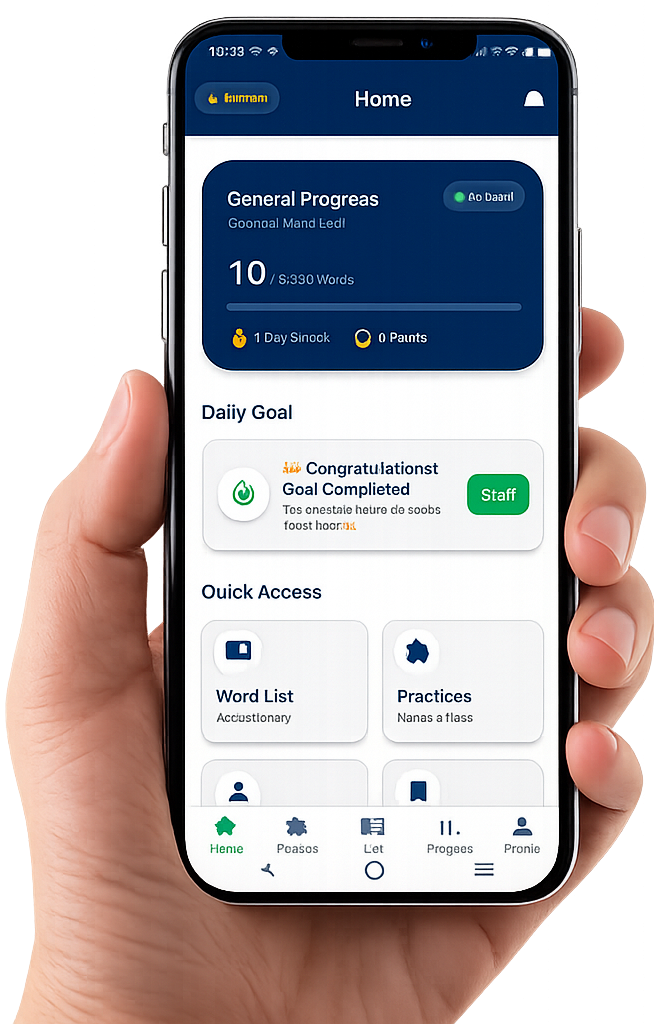
Establece una meta diaria, refuerza con tarjetas de palabras y juegos, y sigue tu progreso en la app Vocab5000 — aprende todas las palabras de nivel C1 de forma permanente con nuestro sistema científico de repetición.