Significado
reservar, ahorrar, liberar, evitar
El verbo "spare" se utiliza para referirse a la acción de reservar o ahorrar algo, como tiempo o recursos, para un propósito específico o futuro. También puede implicar liberar a alguien de una obligación o evitar causar daño o inconveniencia. Por ejemplo, podrías "spare" tiempo para ayudar a un amigo o "spare" a alguien de una tarea difícil.
💡 The verb "spare" can sometimes be confused with "save," but "spare" often carries a connotation of intentionality and restraint, particularly in contexts involving emotional or physical resources.
Frases de Ejemplo
Palabra en Contexto
On
a
quiet
Sunday
morning
,
Claire
surveyed
the
modest
stack
of
provisions
on
her
counter
and
realised
she
would
have
to
ration
them
carefully
.
After
a
brief
hesitation
she
decided
to
spare
a
small
jar
of
marmalade
for
the
elderly
neighbour
who
sometimes
popped
in
for
tea
,
a
gesture
she
considered
both
practical
and
considerate
.
She
wrapped
it
neatly
,
conscious
that
preserving
a
sense
of
community
mattered
more
than
indulging
in
every
leftover
treat
herself
.
If
she
occasionally
allocated
a
little
extra
for
others
,
she
thought
,
people
would
be
more
willing
to
reciprocate
when
supplies
were
scarce
.
By
the
time
she
walked
across
the
garden
to
knock
on
the
neighbour's
door
,
Claire
felt
reassured
that
a
small
sacrifice
could
sustain
goodwill
without
causing
any
real
hardship
.
Usos Comunes
spare no effort
spare someone the details
spare resources
Palabras Relacionadas
No olvides nunca "spare"
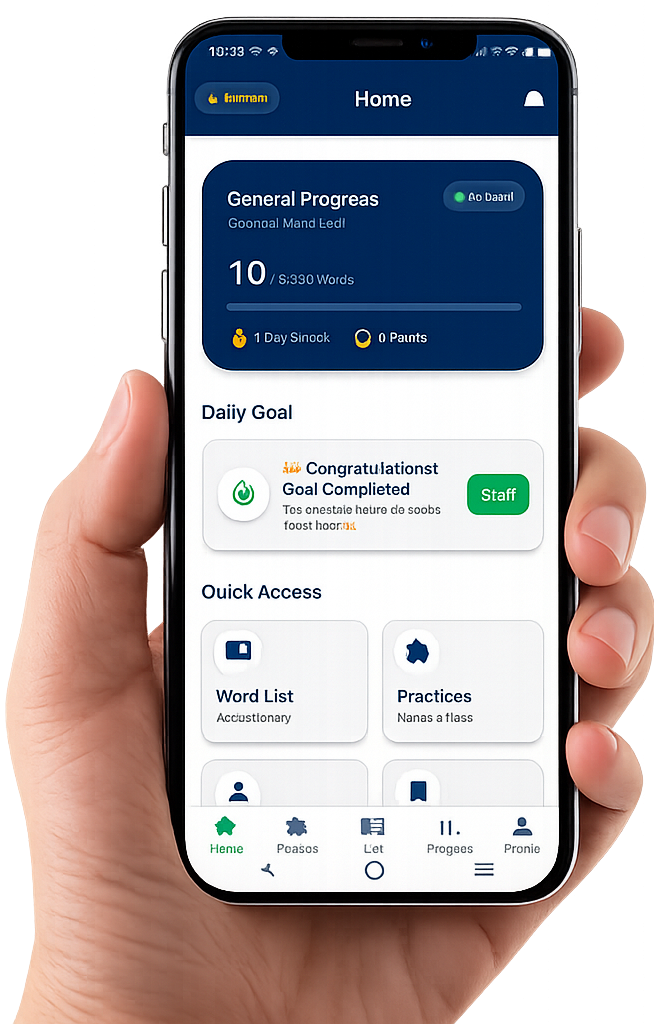
Establece una meta diaria, refuerza con tarjetas de palabras y juegos, y sigue tu progreso en la app Vocab5000 — aprende todas las palabras de nivel C1 de forma permanente con nuestro sistema científico de repetición.